AI

AI brain fry
Researchers at Boston Consulting Group have identified a new phenomenon called “AI brain fry”, the acute mental fatigue caused by supervising AI tools and shows that instead of freeing up our time, managing AI agents can create cognitive overload.

AI Agents in Action: Foundations for Evaluation and Governance
A recent World Economic Forum report shows that 82% of organisations plan to integrate AI agents within the next three years, yet most are still in the pilot or planning phase. Why the hesitation, if the potential is so great? Part of the answer lies in the shift from “AI that analyses” to “AI that […]

MIT Study: After IT, Back-Office Is 5 Times More Exposed to AI
When I talk to people about AI, their biggest fear is about jobs. The anxiety is valid and a recent study published by the Massachusetts Institute of Technology (MIT) confirms it, but shifts the perspective on where the next job security risks may emerge. The paper is called Project Iceberg and was conducted in partnership […]
How AI think
Why are chatbots sycophantic and why do they hallucinate? Is Artificial Intelligence just an "autocomplete" system or is something more complicated happening? How can we scientifically study these questions?

GPT-5: Why User Experience Matters in AI
This analysis is based on observations from last week about the GPT-5 launch and its impact on business users. The aim is to better understand how to navigate the AI transition without getting lost in the chaos.

SEO Evolves: How RAO and GEO Transform Your Business’s Online Visibility
Search engine optimisation remains important, but the digital landscape of 2025 shows us the game extends beyond Google. Whilst traditional SEO continues to deliver results, the emergence of ChatGPT, Claude, and Gemini brings new visibility opportunities that agile companies can leverage.
How IBM Saved $3.5 Billion in Productivity Gains with AI
IBM oferă un exemplu concret ce poate ghida companiile spre valorificarea AI pentru a crește productivitatea și a eficientiza procesele, păstrând în același timp angajamentul și satisfacția angajaților.

The Future of Work with AI Agents
A recent Stanford study surveyed more than 1,500 professionals across 104 fields, asking them directly which tasks they would like AI agents to automate. Rather than being replaced, people want to be freed from administrative burdens—scheduling, data entry, repetitive clicks—while staying deeply involved where creativity, judgment, and meaning matter.
Rethinking Collaboration Between Humans and Artificial Intelligence
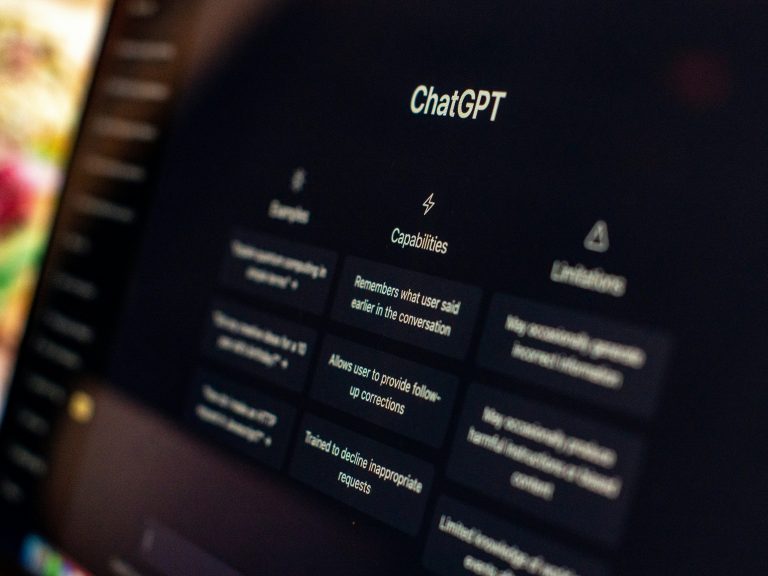
Artificial Intelligence is no longer just a tool. It has become an active part of modern teams, profoundly shaping how work is organised. In an era where AI systems can operate independently, without constant human oversight, it’s time to stop viewing them merely as software and start recognising them as true collaborators with defined responsibilities. This shift requires a fundamental rethink of how we define roles, tasks and outcomes.